







Search Results for: Coffee bean density
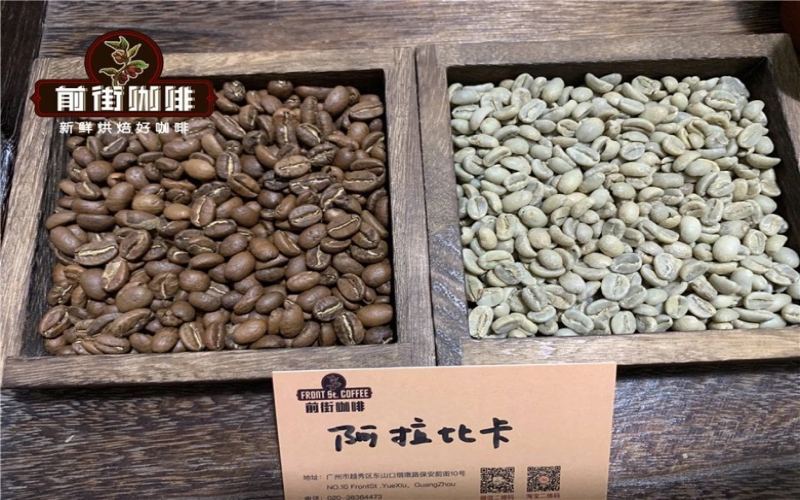
The Density and Hardness of Coffee Beans: Hidden Factors That Affect Flavor
When choosing coffee, besides origin, processing method, and roast level, there is another rarely mentioned yet profoundly influential indicator: the density and hardness of the green beans. It hides behind roasting and flavor performance, yet it is a key to understanding why this bag of beans is more resistant to roasting and more resistant to extraction. Where do density and hardness come from? The density and hardness of green coffee beans mainly [more…]
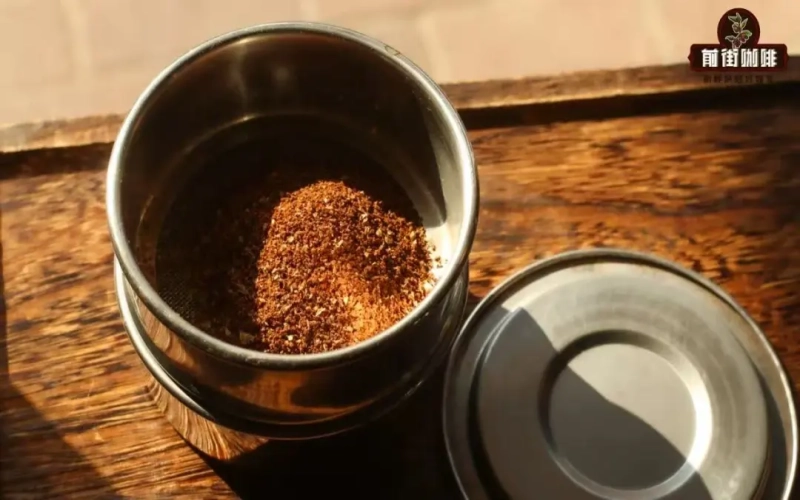
How Do Coffee Bean Density and Brittleness Affect Grind Size? A Guide to Choosing Grind Settings for Pour-Over Coffee
Many pour-over enthusiasts have discovered when testing ground coffee with a sieve that the same grind setting produces different passing rates for different bean varieties. Front Street Coffee recently received similar questions: why does particle size vary under the same grind setting? The core reason lies in the differences in bean density and brittleness—high-altitude, light-roasted beans tend to be harder and denser, producing fewer fines during grinding; low-altitude, dark-roasted beans are more brittle and prone to crumbling into fines. Only after understanding this principle can one adjust the grind size for different beans. This article combines medium-light roasted beans such as Front Street Yirgacheffe Gotiti, Front Street Ethiopia Hachira, and Front Street Granja Geisha, as well as medium-dark roasted beans such as Front Street PWN Golden Mandheling, Front Street Brazil Queen's Estate Yellow Bourbon, and Front Street Jamaica Blue Mountain No. 1, to provide specific EK43 settings and No. 20 sieve passing rate recommendations, helping coffee enthusiasts achieve consistent results. [more…]
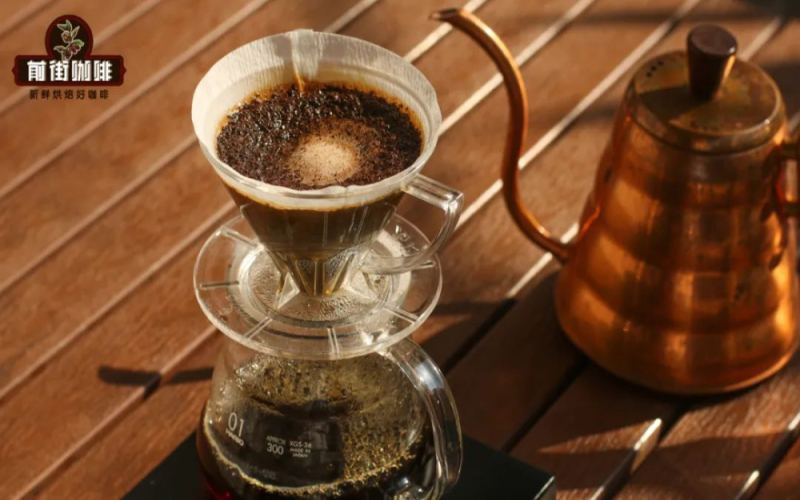
Why does the same grinder setting produce grounds of different sizes? Analyzing the link between coffee bean brittleness and density
On the same grinder at the same setting, why does switching to a different coffee bean produce noticeably different grind sizes? This actually comes down to two core physical properties of coffee beans—density and brittleness. Density is determined by growing altitude: the higher the altitude and the slower the growth, the harder the bean and the fuller the flavor. Brittleness, on the other hand, is directly tied to roast level: the darker the roast and the more moisture is driven off, the looser the structure and the easier the bean is to crush. Starting from actual experiments at Front Street, this article uses a comparison of the sieve-passing rates of dark-roasted Mandheling and light-roasted Yirgacheffe to explain why grind consistency breaks down, and how that leads to clogged filter paper and over-extraction problems. [more…]

Cause Analysis of Slow Flow in High-Density Light-Roast Pour-Over Coffee and a Practical Small-Flow Brewing Approach
Many coffee enthusiasts often encounter problems such as slow drainage, weak flavor, or bitterness when brewing high-density light-roast beans. These beans, due to their tight structure, high altitude, or light roast, easily settle and clog in the filter basket, leading to over-extraction or uneven extraction. Starting from Front Street's practical experience, this article analyzes the underlying reasons why high-density beans are difficult to brew and offers two approaches: first, multi-pour brewing, suitable for those not yet skilled at water control; second, a three-pour method with a slow, small stream throughout, better suited to players with some water-control foundation. Using Ethiopia's Geisha Village Red Label as an example, the article details the dose, grind, water temperature, and pouring rhythm to help you brew a great coffee with citrus and berry sweetness and acidity, rose aromatics, and an oolong finish. [more…]
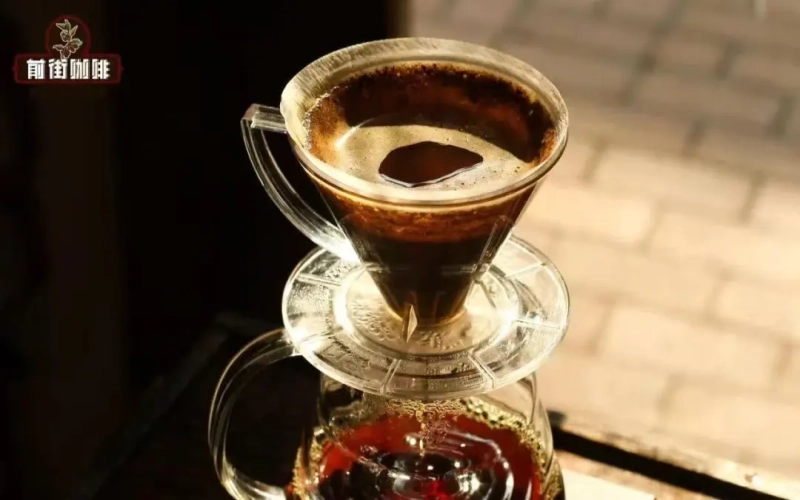
How to Fix Slow Drawdown in Pour-Over Coffee? A Full Analysis of the Three Major Factors: Fines, Agitation, and Bean Density
When brewing pour-over coffee, water failing to drain through the dripper is a problem many enthusiasts encounter. The causes of clogging are not singular—too many fines, overly vigorous agitation, and high bean density can all slow the flow. This article starts from these three common factors, analyzing each cause one by one and offering corresponding ways to improve them—including coarser grinding with a slower extraction, using a sifter, and adjusting pouring technique. At the same time, it will explain that clogging does not necessarily mean over-extraction, and whether to make adjustments should ultimately be based on how the coffee tastes on the palate. Front Street Coffee will share its brewing experience with high-density beans, using the Yirgacheffe Giddingding from its own bean list. [more…]

Analyzing the Causes of Deep Craters in Pour-Over Coffee Beds: Three Key Conditions from Density and Pouring to Uniformity
Many enthusiasts, after finishing a brew, will see a uniform and deep bowl-shaped coffee bed left in the dripper, and wonder how this state is formed. Front Street Coffee also often encounters similar questions in daily brewing. In fact, the final shape of the coffee bed cannot directly determine whether a cup of coffee tastes good, but it does reflect some operational details during the brewing process. This article will explain how to brew a deep-pit coffee bed from three aspects: coffee bean density, pouring method, and pouring uniformity, and will also explain why light-roasted high-density beans often find it difficult to form a deep pit. If you also want to understand the principles behind the coffee bed, as well as brewing suggestions for beans such as Front Street Ethiopia·ALO and Front Street Yirgacheffe·Guddingding, please read on. [more…]
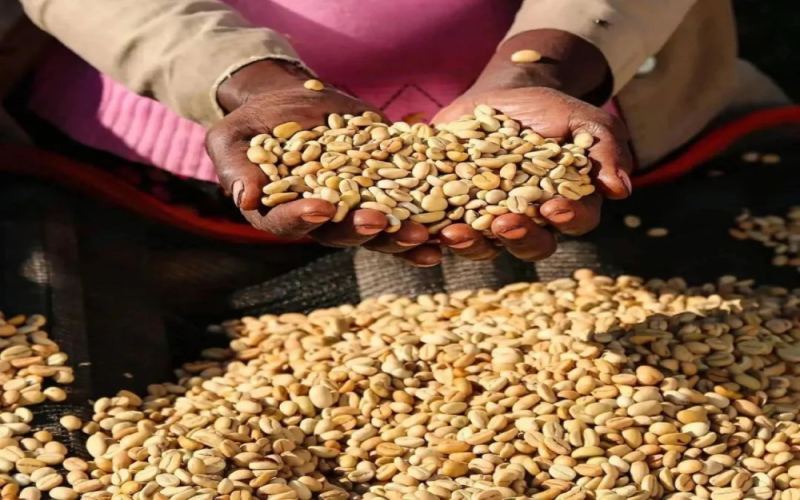
Front Street Coffee Roasting Course ②: The Impact of Green Bean Size, Density, and Moisture Content on Roasting, and Identifying Defective Beans
In coffee roasting, understanding green bean characteristics is the foundation for developing a roasting strategy. Starting from the Front Street Coffee roasting course, this article provides a detailed analysis of how the three key indicators of green beans—moisture content, density, and size—affect heat transfer and flavor development, and systematically introduces the causes and harms of common defective beans such as shell beans, insect-damaged beans, moldy beans, black beans, and white-eye beans. Mastering this knowledge helps with proper screening and adjustment before roasting, ensuring the final coffee flavor is clean and rich. [more…]
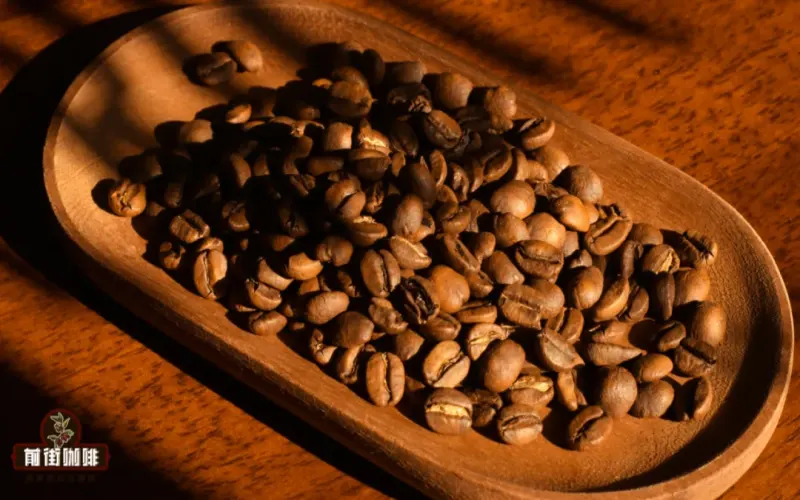
What Exactly Is the Difference Between Hard Beans and Soft Beans? A Full Breakdown of Altitude Grading Logic and Coffee Classification
Baristas often mention hard beans and soft beans, but these two terms actually do not refer to whether the beans feel hard or soft to the touch—they refer to the density of the coffee beans. The concept of hard beans comes from the Central American coffee grading system, which uses altitude as the standard—the higher the altitude, the lower the growing temperature, the slower the coffee fruit matures, the more flavor compounds it accumulates, and the greater the bean density becomes. Panama, Costa Rica, Guatemala, and other countries generally adopt this logic, while Ethiopia, because its overall altitude is high, is almost entirely made up of extremely hard beans and does not need further subdivision by altitude. Of course, although high-density beans are delicious, they also bring more challenges during grinding and brewing. [more…]

Creating a Layered Dirty Coffee: A Full Breakdown of Key Techniques from Pour Height to Milk Density
Want to make a Dirty with distinct layers, but always run into the problem of the coffee and milk blending too early, leaving the layers unclear? The key actually lies in two details: the distance the espresso falls from, and the viscosity and density of the milk itself. This article takes a practical approach and shares how to adjust the receiving height, use purified milk, chill your cups, and more, so that both the visual effect and the mouthfeel of your Dirty come closer to the ideal. It will also answer the question of whether the roast level of the coffee beans affects layering, and share Front Street Coffee's actual test conclusions to help you easily make a cup of "dirty" with true pedigree. [more…]
Why Does the Coffee Bed Raising Technique Sometimes Fail in Pour-Over? Causes of and Remedies for Weak Flavor Due to Excessive Bypass Water
In the process of pour-over coffee brewing, many enthusiasts encounter the problem of weak coffee flavor but cannot find a clear reason. In fact, this is likely related to excessive bypass water. Bypass water refers to water that mixes directly into the coffee liquid without participating in extraction, which dilutes the coffee concentration and makes the flavor thin. This article will systematically analyze the two common causes of bypass water—the habit of rinsing the edge of the dripper and forcibly raising the coffee bed—and, combined with differences in dripper types and coffee bean density, explain why certain brewing techniques backfire. At the same time, the article will share Front Street Coffee's strategies for brewing high-density coffee beans, helping everyone reduce bypass water interference and brew a good cup of coffee with full flavor. [more…]
Espresso Blend Coffee Roasting in Practice: Analysis of Raw Blend Strategies, Density Difference Handling, and Development Rate Control Points
The roasting of espresso blends centers on balancing the density, size, and flavor direction of different bean varieties. Starting from the choice between pre-blend and post-blend, this article combines the blending case of Front Street Colombia Medellin and Front Street Ethiopia Yirgacheffe to break down in detail the logic of adjusting heat, airflow, and moisture during roasting, as well as how to handle combinations of green beans with large density differences through stages such as steaming, heat pushing, and gliding. The article also presents an espresso blend roasting approach with a development ratio controlled at around 25%, and includes measured espresso extraction parameters and flavor descriptions, making it suitable for enthusiasts who wish to gain a deeper understanding of espresso blend roasting. [more…]

How to brew unfamiliar coffee beans perfectly in one go? Determine pour-over parameters for light and dark roasts based on roast level and density
Buying a bag of unfamiliar coffee beans, the biggest fear is using the wrong parameters and wasting good beans for nothing. In fact, even without an existing brewing recipe on hand, you can judge whether the beans suit a high-efficiency or low-efficiency extraction method by observing their roast level and density, and thereby set the appropriate water temperature, grind size, and ratio. In this article, Front Street Coffee will walk you through starting from flavor descriptions and bean hardness, breaking down the differences between light-roast and dark-roast coffee beans step by step, and using two beans—Ethiopian Huakui and PWN Golden Mandheling—as examples to provide directly referenceable pour-over parameters, so you can brew confidently even when facing new beans. [more…]
Light Roast Pour-Over Always Pools Water? Understanding the Relationship Between Density, Expansion, and Grind — and How to Fix It
Many coffee enthusiasts encounter a tricky problem when brewing light-roasted beans: near the end of the pour, the water level drops slowly, and a layer of water sits in the dripper that just won't finish draining. If you keep waiting, you risk over-extraction and bitterness; if you don't, you worry the flavor won't be complete. What was once a relaxing pour-over suddenly becomes stressful. In fact, water stalling with light-roasted beans isn't a problem with the beans themselves—it's the combined result of density, expansion, and grind size. This article breaks down the causes of stalling from these three angles and offers three actionable solutions: simply discarding the final phase of the pour, coarsening the grind while using higher temperatures and agitation, and sifting out ultrafines for reuse. Understanding the logic behind it matters more than memorizing parameters—next time you run into stalling, you can judge from the flavor whether adjustment is needed. Front Street Coffee also often advises: taste first, then adjust—don't rush to blame the beans. [more…]

A Complete Guide to the Classification of Hard Beans, Soft Beans, Flat Beans, and Round Beans: Flavor Characteristics of High-Grade Panamanian Coffee
Beyond varietal differences, coffee beans have multiple classification dimensions, which gives rise to many alternative names. This article begins with the appearance-based classification of flat beans and round beans, and focuses on answering the question coffee enthusiasts often ask: what exactly does "hard bean" mean? It originates from a grading system in Central American growing regions that classifies bean hardness by cultivation altitude—the higher the altitude, the greater the density and the higher the grade. The article also shares how to judge bean hardness by feel, the roasting and brewing strategies corresponding to coffee beans of different hardness, and uses actual brewing parameters as examples to illustrate the differences in extraction between high-hardness light-roasted beans and low-hardness dark-roasted beans, helping readers find a suitable brewing approach. [more…]
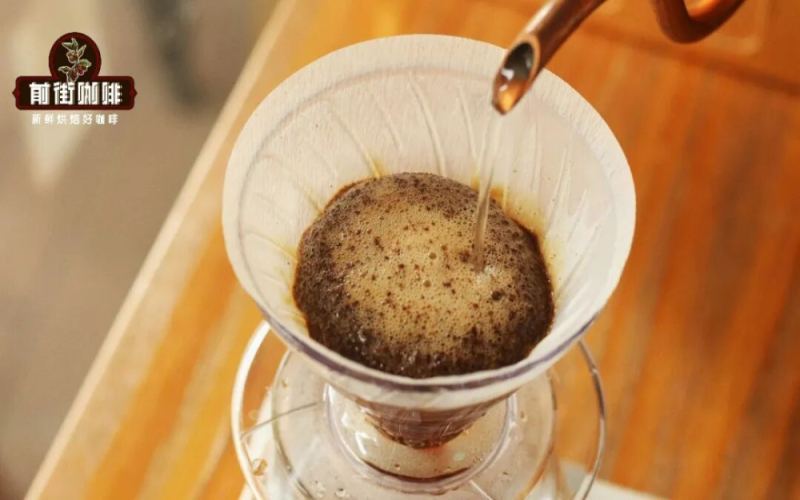
Reasons and Solutions for Water Separation from Coffee Grounds in Pour-Over Coffee: A Comprehensive Analysis from Bean Density, Grind Fines, and Freshness to Pouring Technique
After the bloom, an ideal pour-over should show the water flow churning the coffee grounds, a golden foam layer on top, and an orderly wall of grounds forming along the edge of the dripper. Yet many coffee enthusiasts notice that in the middle and later stages of brewing, all the coffee grounds sink to the bottom while the hot water floats on top, and once dripping finishes, only a flat bed of grounds remains—this is what is often called "ground-water separation." This article focuses on this phenomenon, analyzing one by one the four causes: high-density light-roast beans, over-fine grinding with too many ultra-fine particles, stale coffee beans, and improper pouring technique. Drawing on several high-altitude beans from the Front Street Coffee brand, it offers specific ways to diagnose the problem and ideas for adjustment, helping coffee enthusiasts understand the root of an imbalanced extraction rhythm and find actionable solutions for improvement. [more…]
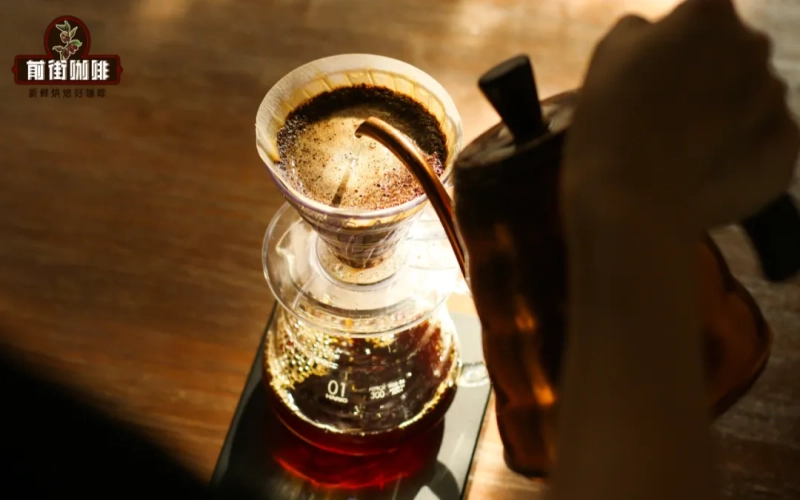
Pour-over coffee bed shape and brewing assessment: What do the bloom dome, bed height, foam color, and drawdown speed reveal?
When brewing pour-over coffee, the filter cup actually holds quite a few clues. The size of the dome that the coffee bed puffs up into during the blooming stage, and how well it retains water, can reflect the freshness of the coffee beans and the depth of the roast; whether the coffee bed can be lifted indicates the density of the coffee grounds; the color change of the foam on the surface can help us track the pouring path; and the speed of the drawdown is related to the coarseness of the grind, the density of the coffee bed, and fine particle clogging. As for the deep coffee bed pit that many beginners obsess over, it does not directly equate to a better-tasting cup; it is more just a reflection of the pouring method. In this article, Front Street will break down these readable pieces of information one by one during the brewing process, to help you have a few more bases for judgment when adjusting parameters. [more…]

Milk Coffee | Why is Dirty Coffee so popular? How to make a Dirty Coffee with distinct layers at home?
As is well known, the unique appeal of a Dirty comes from the layering of milk and coffee. Whether it's the visual effect of the espresso gradually "dirtying" the milk, or the sensory experience of contrasting hot and cold, sweet and bitter—like ice and fire—it all stems from the fact that the two never fully blend. So if we want to make [more…]
Why can latte coffee layer? From density principles to production details, analyzing the science of a beautifully layered latte.
Latte is the starting point for many people's journey into freshly ground coffee, but do you know why a latte can present such a beautiful layering? This article begins with the historical origins of the latte and, combined with Front Street Coffee's production experience, analyzes how the density difference between espresso and milk creates the layered effect. We will also take an in-depth look at the flavor characteristics, extraction parameters, and milk frothing techniques of Front Street Sunflower Warm Sun blend beans, and compare the layering principle and drinking method of Dirty coffee. Whether you want to understand the science of lattes or want to recreate a cup of layered milk coffee at home, this article can provide you with practical reference. [more…]
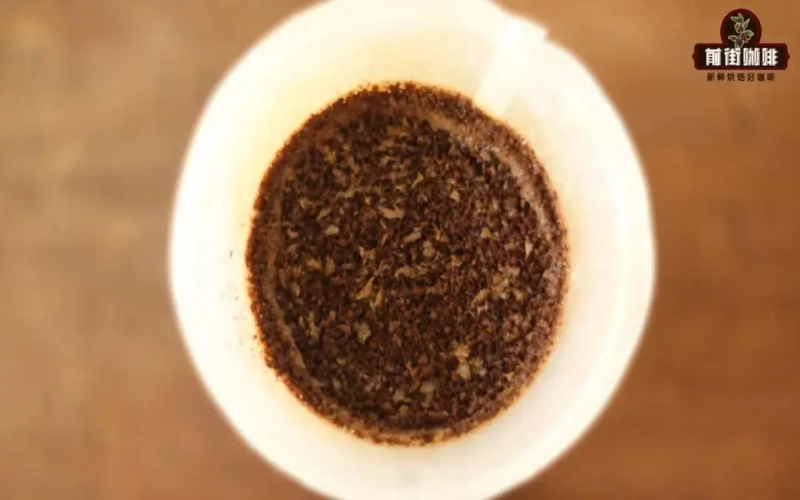
A flat coffee bed in pour-over brewing doesn't mean bad taste—revealing the causes of deep craters and three key points for brewing an even deep crater
Many friends who are just getting into pour-over coffee share a common misconception: they believe that the deeper and more even the coffee bed is, the better the coffee tastes. In reality, the shape of the coffee bed only reflects the pouring method and has no direct connection to coffee flavor. This article starts from a customer inquiry at Front Street's shop to explain why the coffee bed in specialty coffee is sometimes flat, and which factors truly determine coffee taste. It also shares three practical points: appropriately increasing the water flow, concentrating the hot water in the center, and choosing coffee beans that are not too high in density, helping you easily produce a symmetrical, deep coffee bed at home. The article also uses Front Street Yirgacheffe Gudingding, PWN Golden Mandheling, and others as examples to illustrate the differences in how various beans perform. [more…]

How Does Roast Level Shape Coffee Flavor? A Guide to Brewing Parameters for Light and Dark Roasted Beans
The same coffee beans can deliver completely different taste experiences when light-roasted versus dark-roasted. Using Front Street Granada Geisha as an example, this article analyzes how the Maillard reaction and caramelization during roasting alter coffee's acid-bitterness balance, body thickness, and bean density, and further explores the extraction methods and brewing parameters suited to different roast levels. Whether you prefer bright acidity and sweetness or a full-bodied, sweet finish, you can find the roast choice and preparation advice that suits you. [more…]